


- 131 Views
- 3 Min Read
- (0) Comment
The Significance of Hajj in Islam
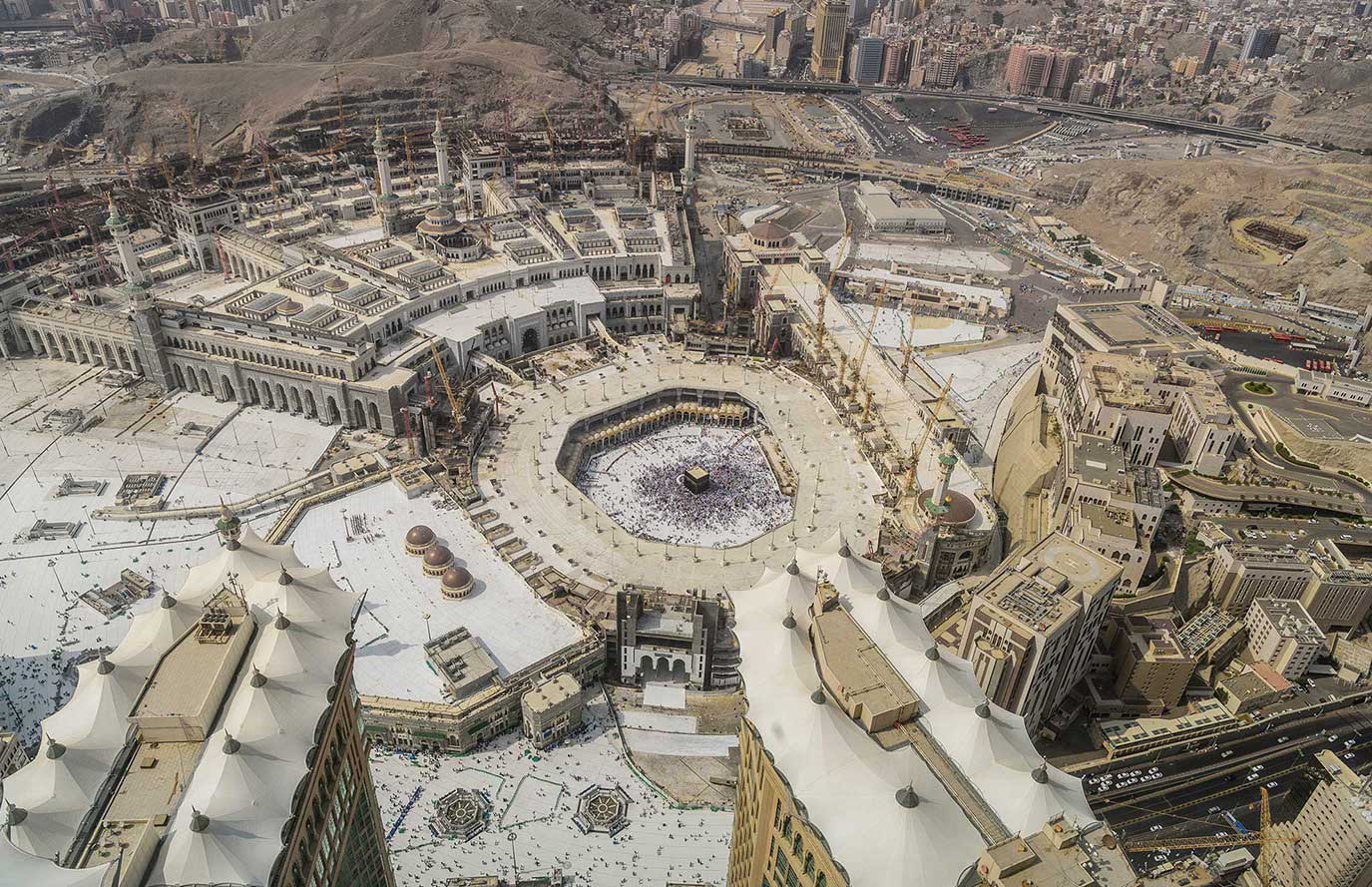
Hajj, the annual Islamic pilgrimage to Mecca, is one of the Five Pillars of Islam, making it a fundamental act of worship for Muslims worldwide. It is an obligation for every Muslim who is physically and financially capable to perform Hajj at least once in their lifetime. This pilgrimage, held in the Islamic month of Dhu al-Hijjah, represents a profound spiritual journey, symbolizing unity, equality, and submission to Allah.
Historical and Spiritual Context
Hajj has its roots in the time of Prophet Ibrahim (Abraham), who, according to Islamic tradition, was commanded by Allah to leave his wife Hajar (Hagar) and their son Isma’il (Ishmael) in the barren valley of Mecca. The rituals of Hajj commemorate the actions of Ibrahim and his family, particularly the moments of Hajar’s search for water, which led to the miraculous spring of Zamzam, and Ibrahim’s willingness to sacrifice his son Isma’il in obedience to Allah’s command.
The Rituals of Hajj
The pilgrimage begins with the state of Ihram, a spiritual state of purity and humility, where pilgrims wear simple white garments and refrain from certain activities. The rituals include:
- Tawaf: The act of circling the Kaaba seven times in a counterclockwise direction, expressing the unity of the believers in the worship of the One God.
- Sa’i: Pilgrims walk seven times between the hills of Safa and Marwah, retracing the steps of Hajar during her desperate search for water.
- Standing at Arafat: Pilgrims gather on the plain of Arafat on the 9th day of Dhu al-Hijjah to pray and seek forgiveness, reflecting on their lives and their relationship with Allah. This day is considered the pinnacle of the Hajj.
- Muzdalifah: After Arafat, pilgrims spend the night under the open sky in Muzdalifah, where they collect pebbles for the next ritual.
- Ramy al-Jamarat: Pilgrims throw pebbles at three pillars in Mina, symbolizing the rejection of evil and the devil’s temptation.
- Sacrifice: Pilgrims perform an animal sacrifice to commemorate Ibrahim’s willingness to sacrifice his son. This act also marks the beginning of Eid al-Adha, a festival celebrated by Muslims globally.
- Tawaf al-Ifadah: Another circumambulation of the Kaaba, signifying the purification after completing the major rituals.
- Shaving or cutting of hair: Male pilgrims shave their heads or cut their hair, while female pilgrims cut a small portion of their hair, symbolizing a new beginning.
The Social and Spiritual Impact
Hajj is not just a series of rituals; it is a transformative experience. It emphasizes the equality of all Muslims, regardless of race, nationality, or socio-economic status, as they stand shoulder to shoulder in prayer, wearing the same simple clothing. The pilgrimage fosters a sense of unity among the global Muslim community (Ummah) and reinforces the values of humility, patience, and devotion.
For many, Hajj represents a once-in-a-lifetime opportunity to renew their faith and seek forgiveness, returning home with a deepened sense of spiritual awareness and commitment to Islamic principles.
Conclusion
Hajj is a profound spiritual journey that carries immense significance in the lives of Muslims. It is a demonstration of the unity of the Ummah, a reflection of deep faith, and a manifestation of obedience to Allah. The pilgrimage serves as a reminder of the temporal nature of life and the importance of striving for righteousness, humility, and devotion in the pursuit of eternal salvation.